

Why Biotin won’t work - Unless you fix this.
Biotin is everywhere — yet most people take it and see little to no change in their hair and skin. The reason is simple: Biotin depends on your metabolic energy levels to work.

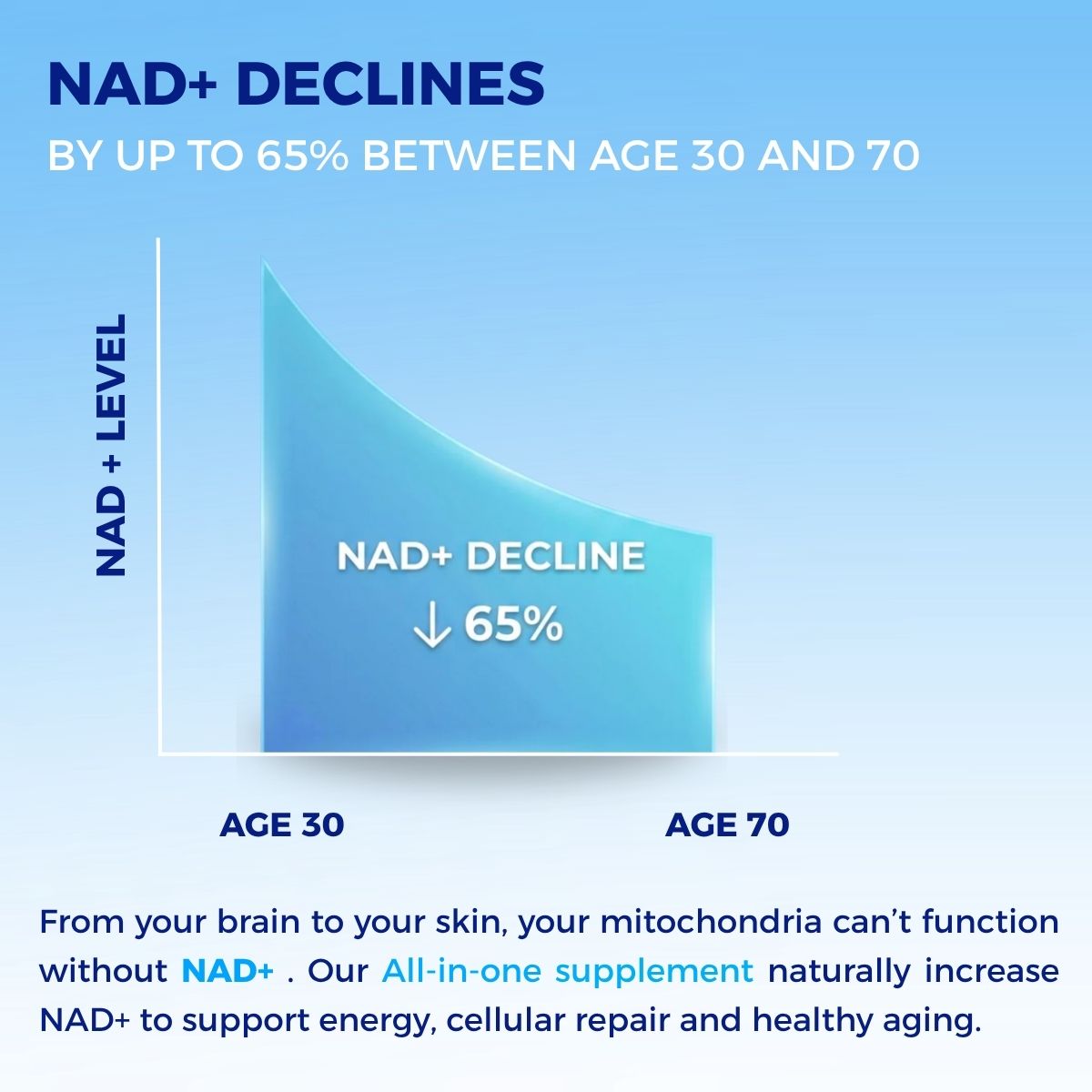
The hidden problem: After 30, NAD+ drops fast
Biotin supports hair and skin by powering protein synthesis and cellular repair — both of which require NAD+.
If NAD+ levels are low, biotin can’t trigger these beauty pathways effectively.
This is why biotin often disappoints. The foundation underneath it isn’t strong enough.

Why NAD+ makes Biotin work better
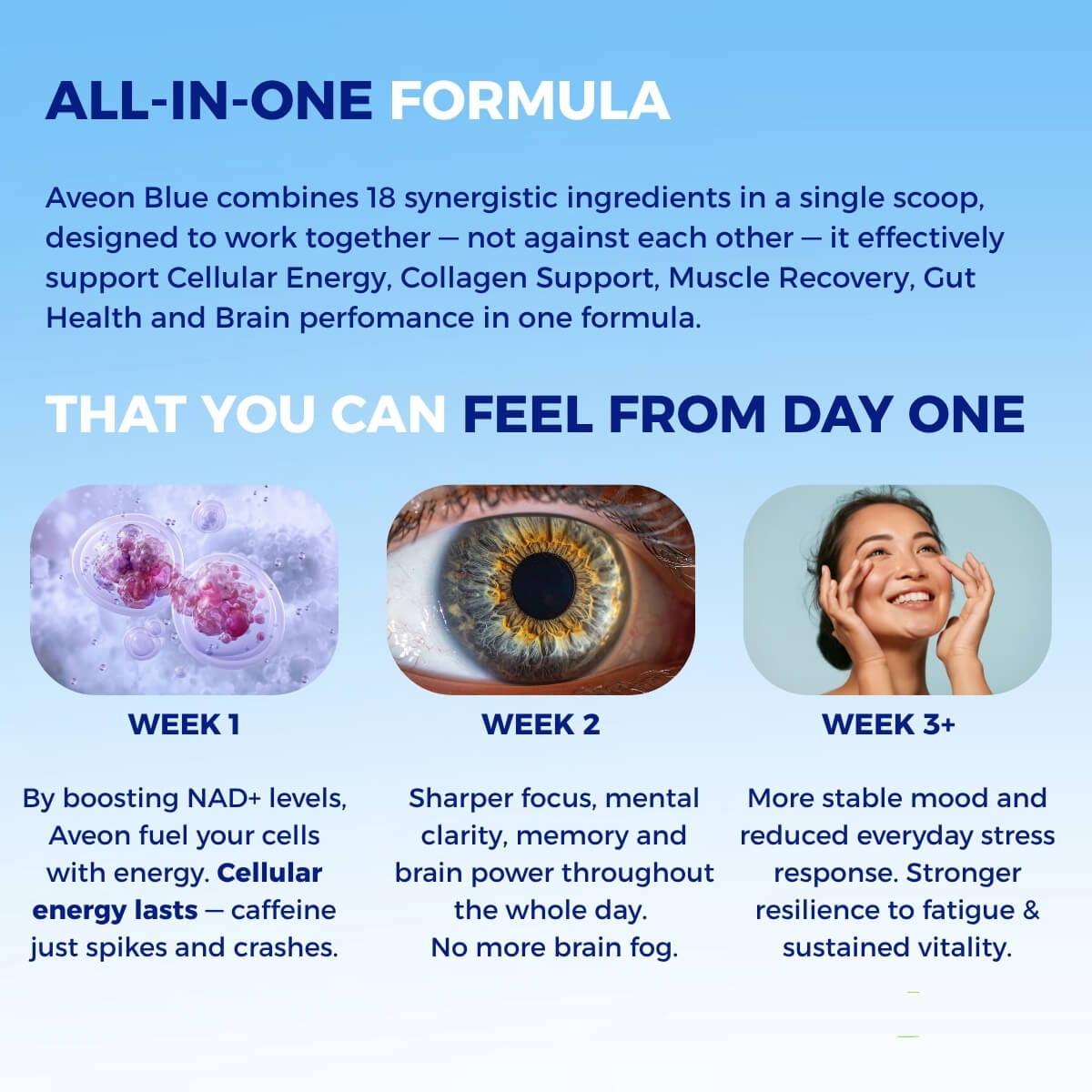
When NAD+ increases, your cells finally have enough energy to repair and grow healthy hair, nails, and skin.
Biotin becomes far more effective because the system behind it is strong.

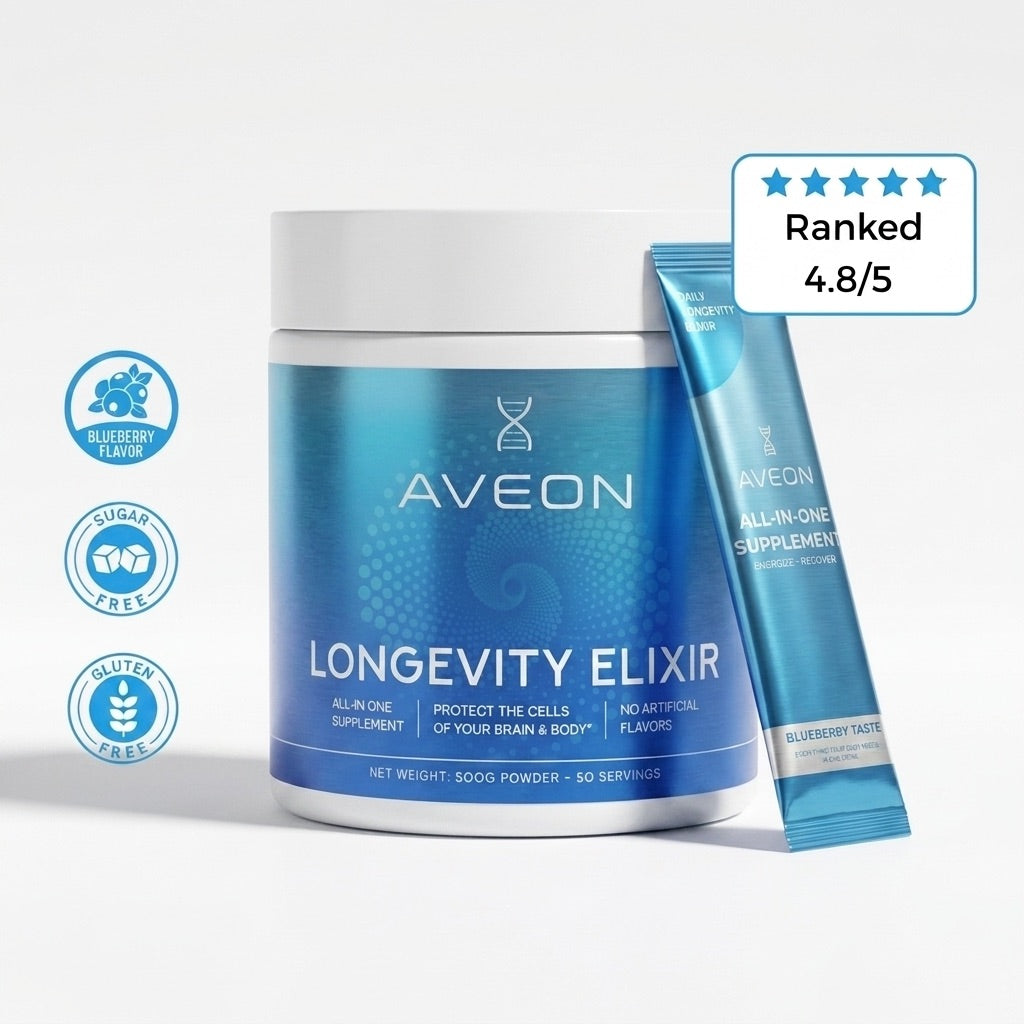
The solution → Aveon
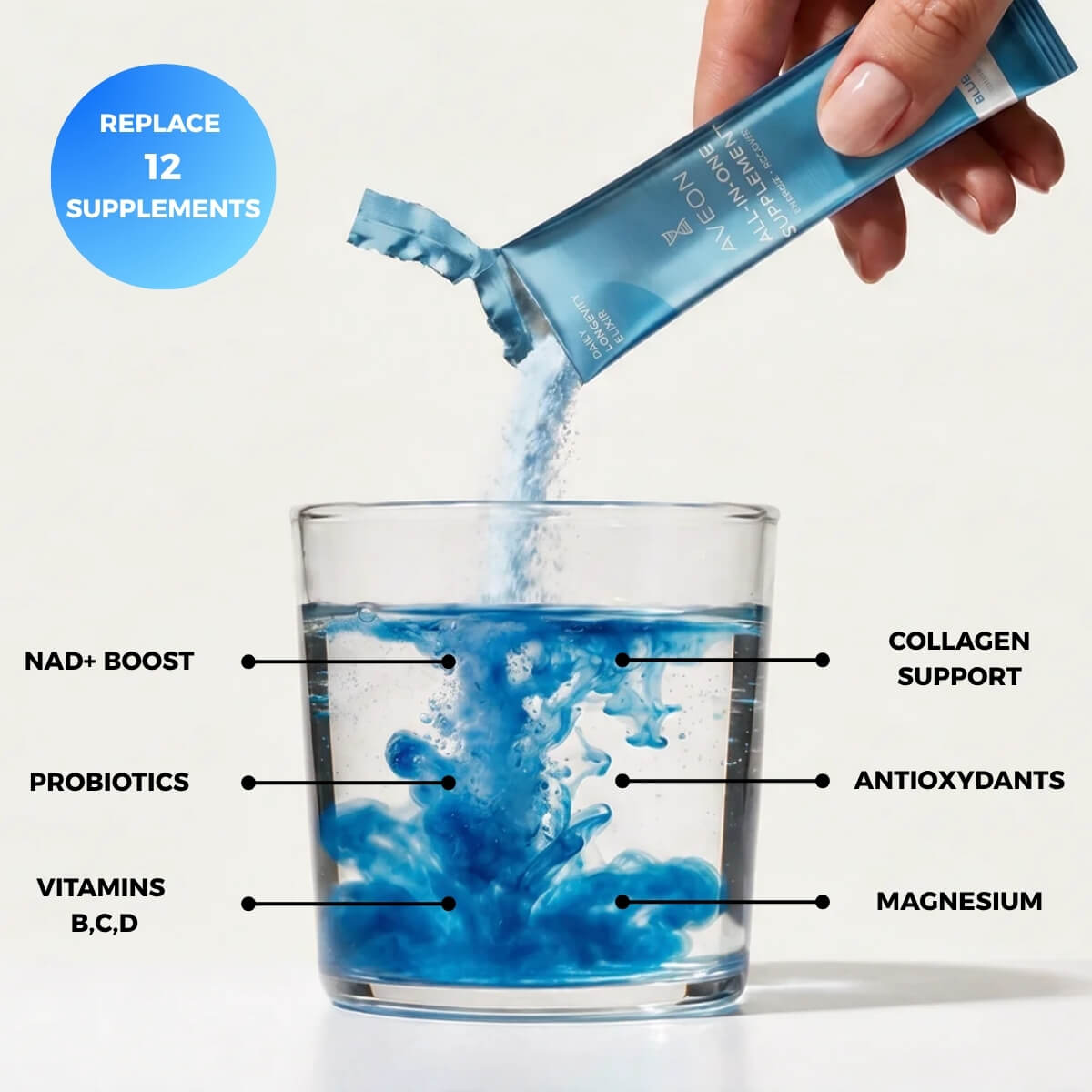
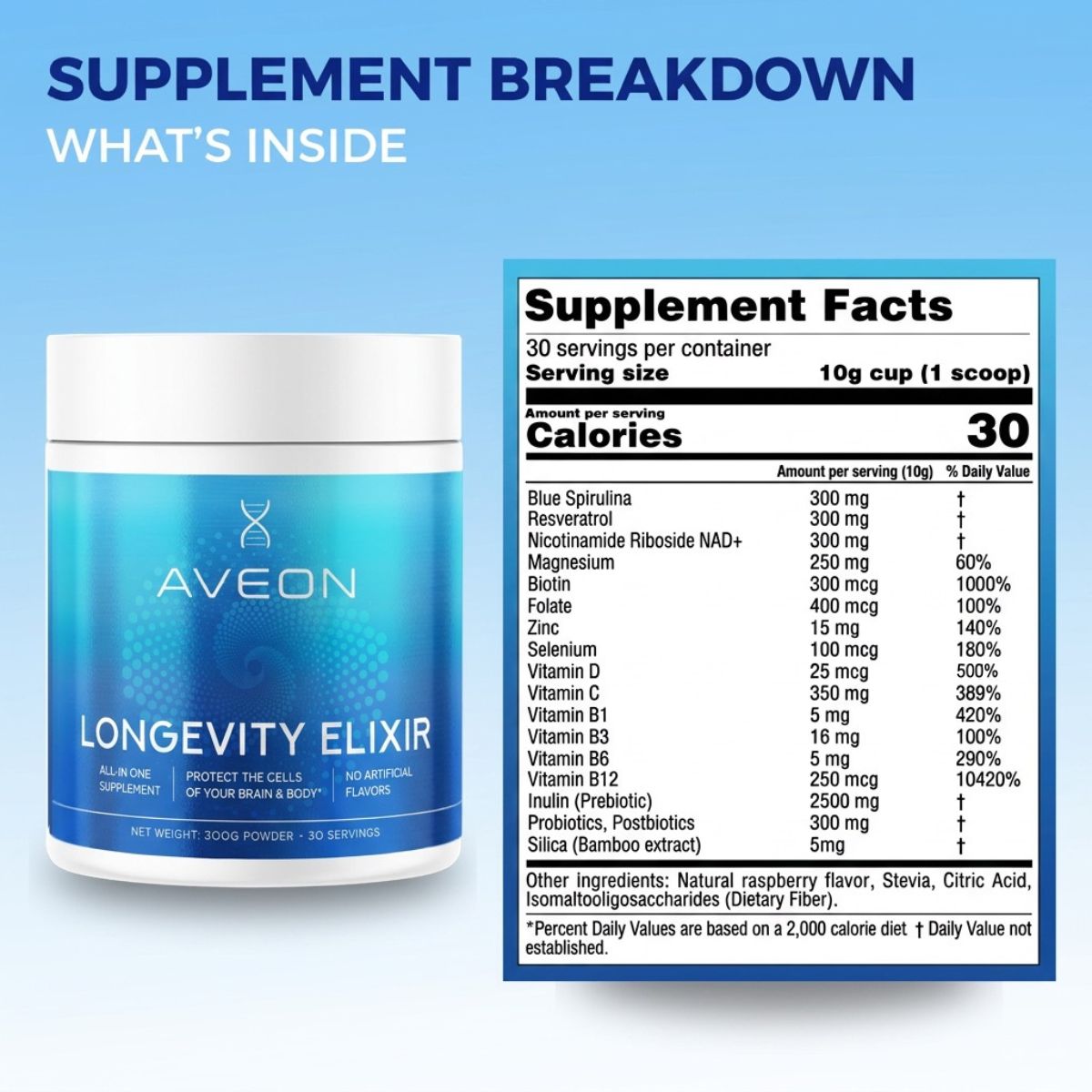
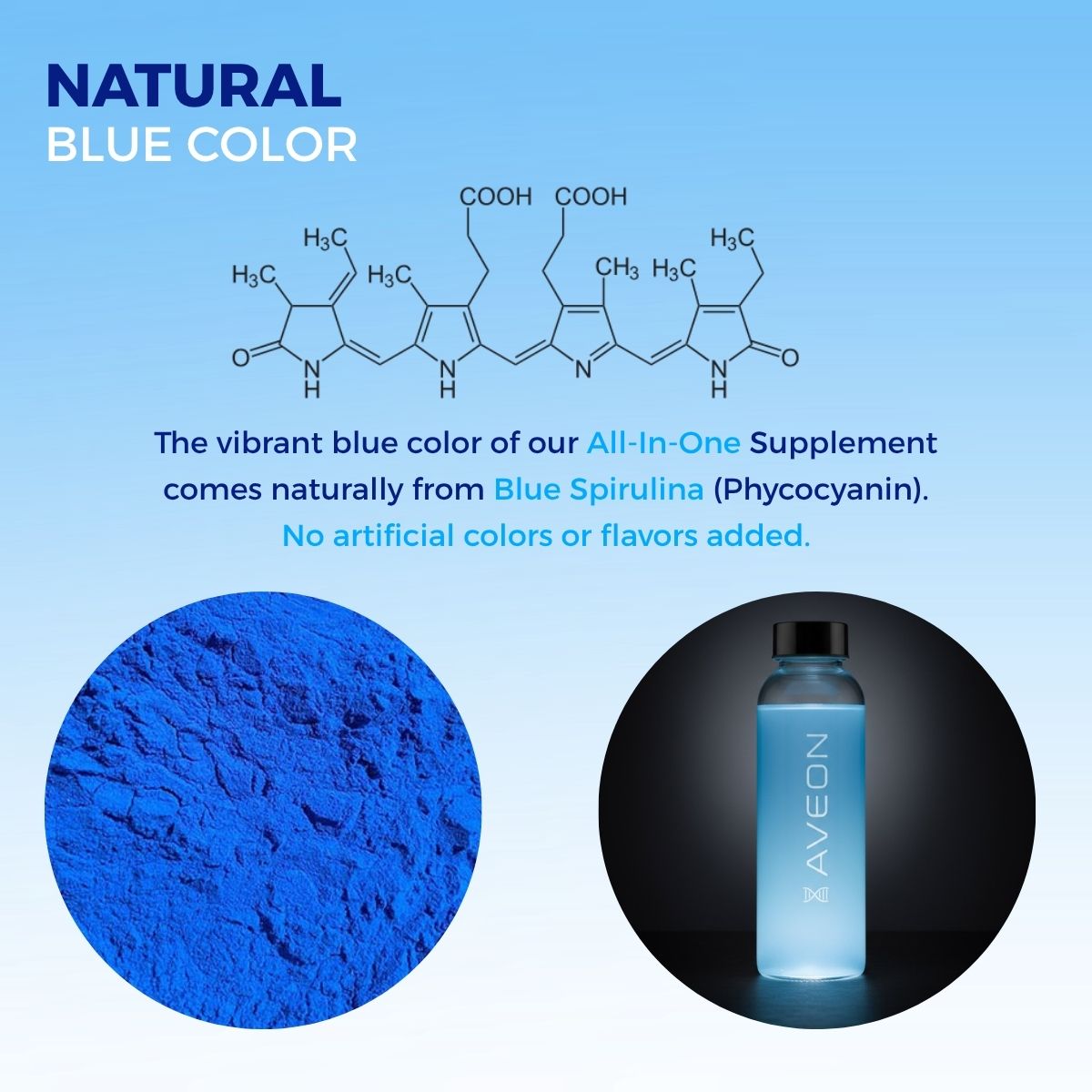
Aveon boosts NAD+ and provides Biotin alongside 17 other synergistic ingredients that strengthen immunity, energy, and metabolism.
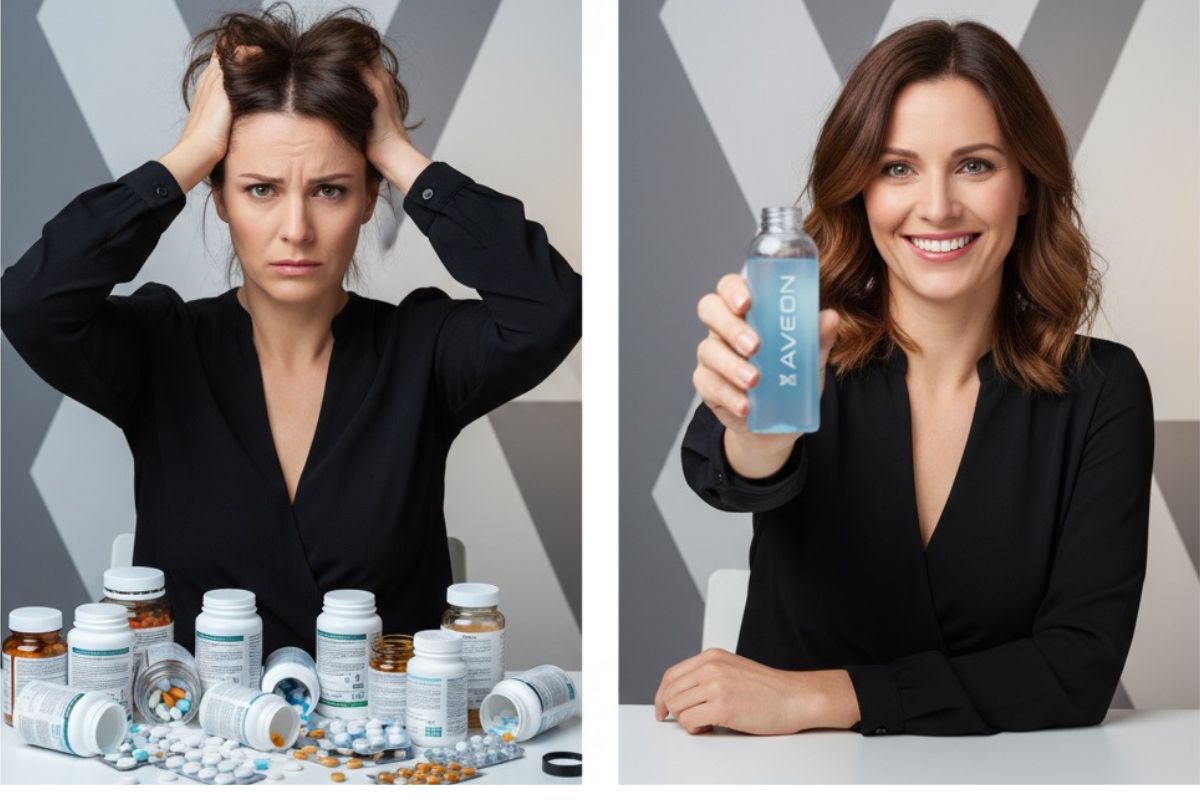
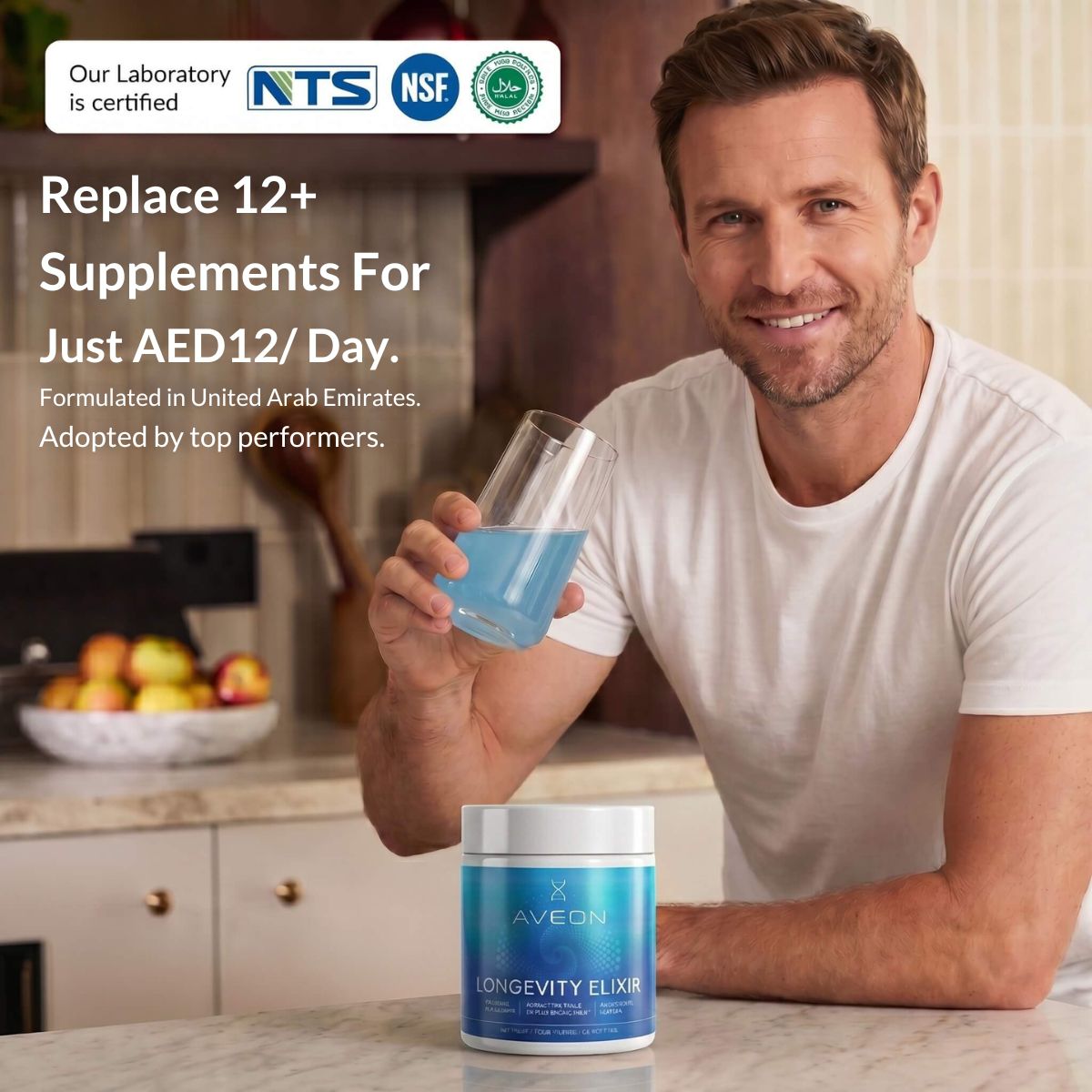
One scoop a day replaces your supplement stack and ensures Biotin alone don’t go to waste.

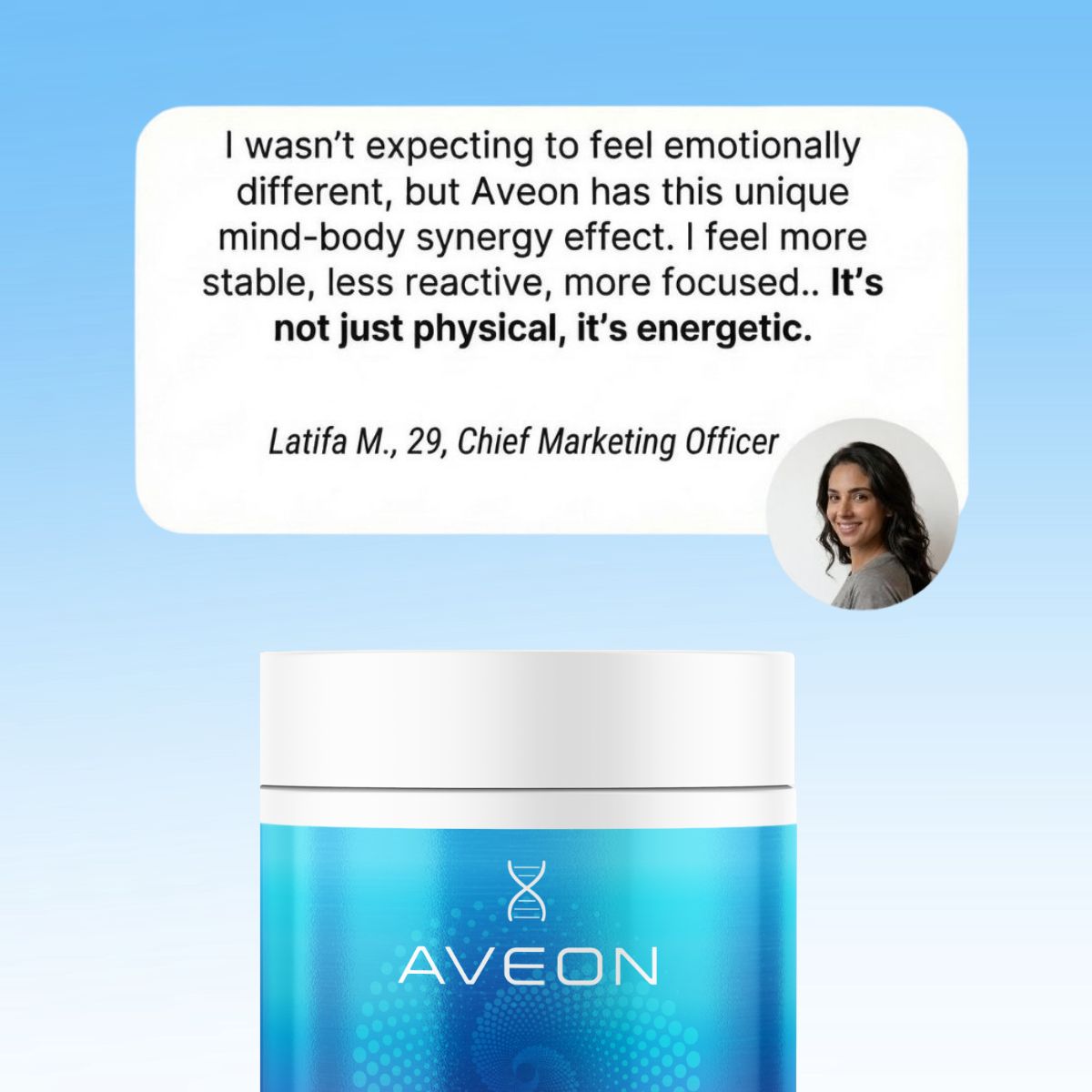
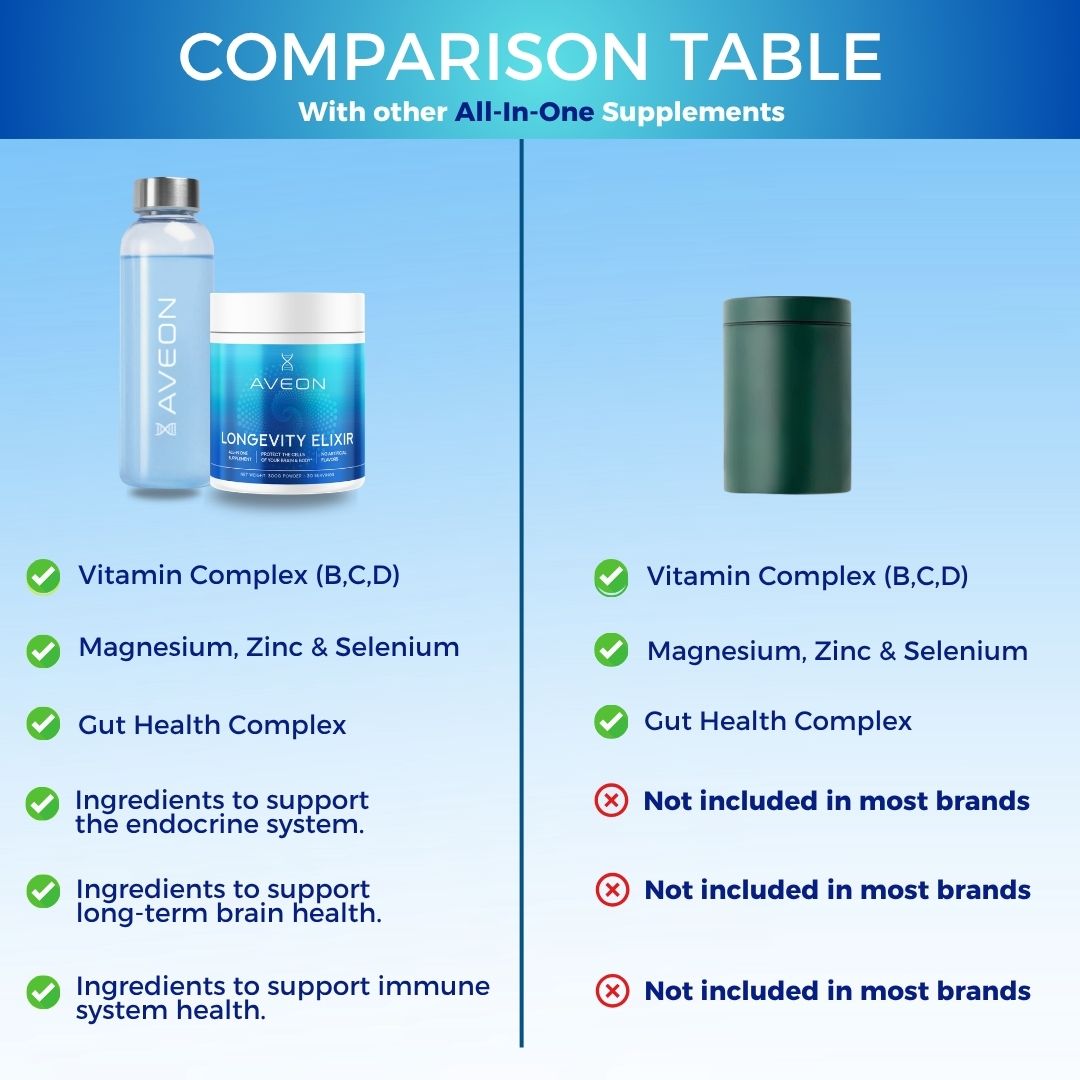




Our Customers Speak for Themselves

Aveon’s formula was crafted by our founder, Antoine, an engineer with a passion for living longer and better. In collaboration with a team of experienced nutrition scientists.
Every ingredient has been carefully researched for its proven benefits and precisely balanced to work in synergy, amplifying each other’s effects.
Blog posts

Cellular Health: The Root of Agelessness
Discover why true longevity starts at the cellular level. This article breaks down how protecting your cells today leads to a healthier, longer life tomorrow, and why most people age faster than th...

Why NAD⁺ Matters — And How to Restore It
NAD⁺ is your body’s fuel for energy, repair, and resilience, but levels decline with age. Learn how to boost NAD⁺ naturally through lifestyle and ingredients like NMN, and why it's the molecule beh...

Supercharge Your Mitochondria for Longevity
Mitochondria are the powerhouses of your cells, and aging weakens them. Here’s how to revitalize your energy systems at the source and slow down cellular decline from the inside out.